
Scouting the Trail
Photo source: Bonanza (Google)
Every vehicle has an origin story. That is to say, every new vehicular development comes from a need, desire, or even dream. Any time a new model comes out, it is developed for a specific reason or purpose. In most cases in the beginning just as it is today, new offerings bring to life the enthusiasm for the ability to go faster or be more powerful or get more done, or any number of other reasons of sparked interest.
For the International Scout, it was borne of a want to compete with the very utilitarian Jeep CJ. After the second World War, Jeep was really the only manufacturer to produce a vehicle that could truly go pretty much anywhere; other than riding a horse, Jeep was it. In the late 1950’s, International decided to change all of that and in late 1960, the 1961 International Scout 80 hit the ground. While a few other manufacturers already had 4×4 offerings of their own, to include Dodge’s Power Wagon, Land Rover’s Series I, and Toyota’s “Toyota Jeep BJ” (later renamed Land Cruiser), International Harvester wanted to compete with Jeep because Jeep was king at the time.
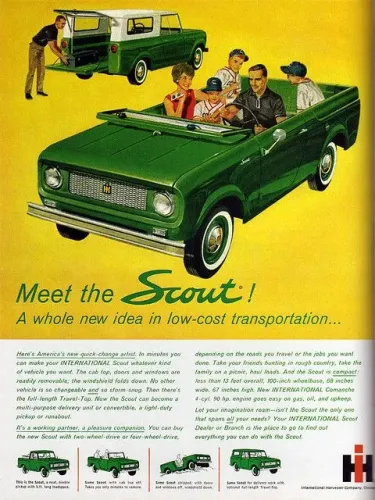
Photo Source: Velocity Restorations (Google)
International Harvester was a manufacturer whose original product lineup consisted of heavy-duty agricultural equipment so since their sole focus wasn’t go-anywhere 4x4s, they did have some ground to make up with regards to gaining both the trust and the interest of the adventure enthusiast. That really didn’t take too long though, because Scout was meant to be an affordable go-anywhere vehicle and was made in several variations.
Known for its boxy shape (think early Ford Bronco) and removable top, Scout had a variety of engine options, automatic or manual shift transmissions, and leaf sprung solid axles that meant getting the job done was always within reach. Originally designed as more of a bare-bones utilitarian type of vehicle, International saw a market for a rig that could go anywhere and do anything, and do it comfortably. Scout 800 began to show more creature comforts necessary for turning it into more of a family friendly wagon and by the time the Scout II came around International was no longer in competition solely with Jeep but also with Ford Bronco and Chevy Blazer, who each had comfortable 4x4s of their own.
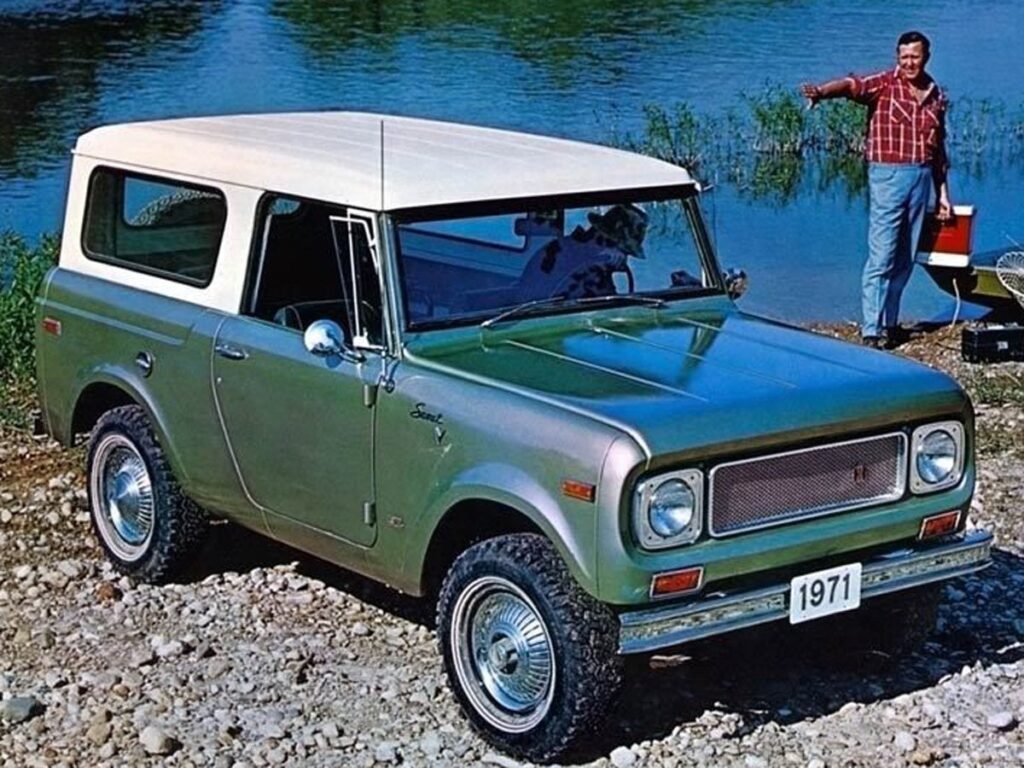
Photo Source: Google
Unfortunately for the adventure motoring public, the party would end for International when the last Scout rolled off of the assembly line in Fort Wayne, Indiana, on October 21, 1980. Citing financial troubles and a major labor strike, as well as wanting to focus more on the heavy-duty trucks and equipment they had been producing all along, International ceased Scout production to the chagrin of many enthusiasts. But just as the saying is “all good things must come to an end” sometimes those good things eventually resurface, and all it takes is a short trip down memory lane to kickstart the idea and bring it back to life.
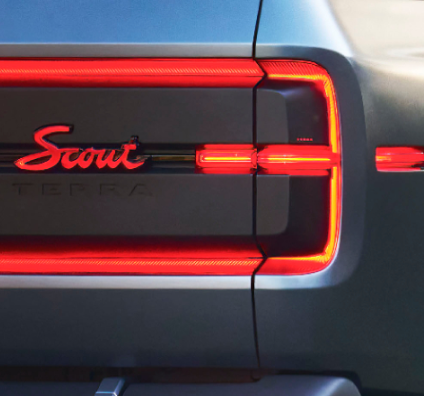
Photo Source: Scout Motors (Google)
One of the most nostalgic brands of all time ironically became the driving force for reintroducing the beloved Scout, albeit not exactly in a way one might think. Volkswagen Aktiengesellschaft (better known simply as Volkswagen AG) is, quite possibly, the most iconic and storied auto manufacturer of all time. Volkswagen AG owns or has owned many automotive brands and has both the history and the experience to pretty much do whatever they want; Volkswagen owns Audi, Porsche, Bentley, Lamborghini, and Bugatti, among other smaller brands. So for them to step up and try to revive an icon like Scout, true enthusiasts must be chomping at the bit. However, there is one small catch and this may come as a shock to many: the new Scout will be electrified.
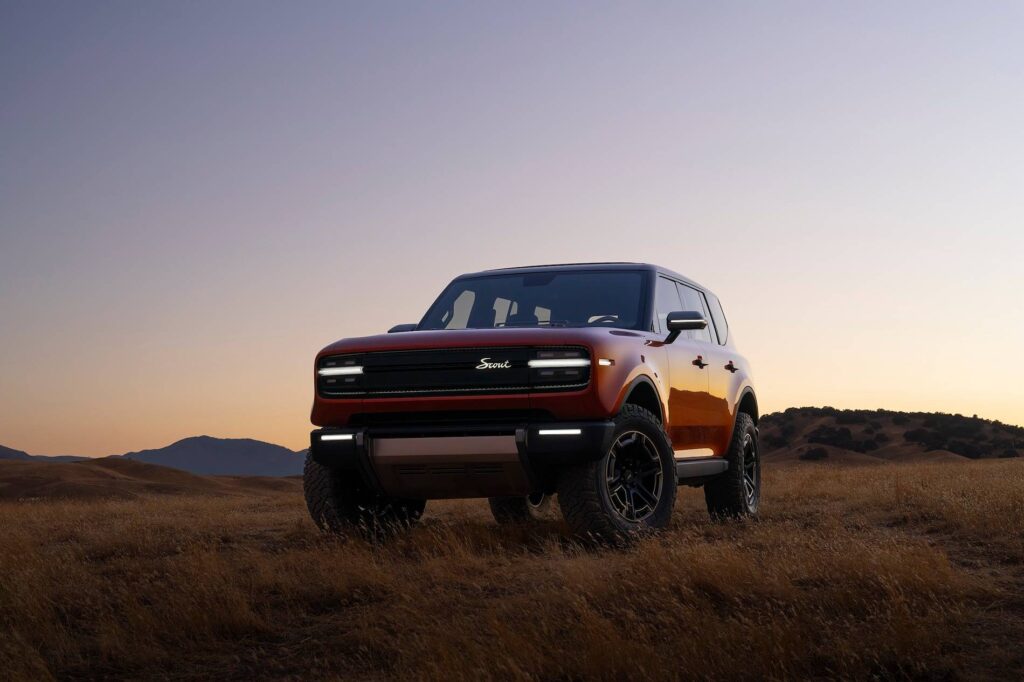
Photo Source: Scout Motors (Google)
It’s no secret that there’s a massive push to get away from fossil fuels and have all vehicles powered by electricity. For old school enthusiasts (and some new ones as well), electrification is a brutal slap in the face of everything we know and were raised on. In short, we don’t want it. While we have some choice in the matter now, there’s no guarantee it will stay that way. But if we are all going to be forced to go that direction someday, the need to be able to go anywhere we want and look good doing it still sits at the top of the list of “must-haves”. Scout Traveler and Terra offer that capability.
Throughout the years, many auto manufacturers have discontinued models only to bring them back to us years or even decades later in an attempt to reignite the flame of the once was. More often than not, the remake is a laughable representation of what it used to be (Dodge Dart, anyone?). However, there have been several occasions where a model re-emerges and instantly kickstarts memories or nostalgia, or even a second chance of “I never was able to own one before; now’s my chance”. One look at Scout and those feelings come rushing in.
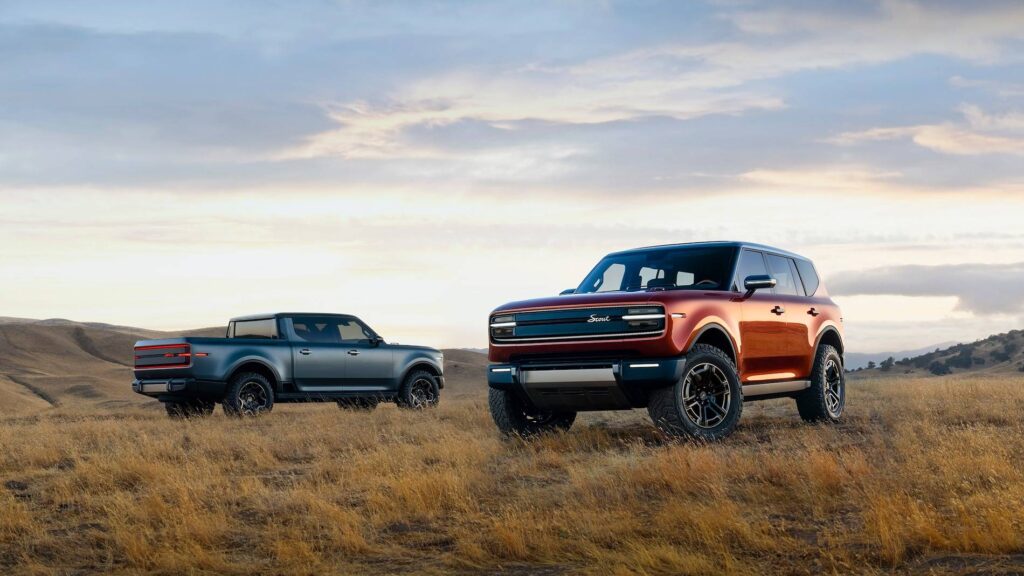
Photo Source: Scout Motors (Google)
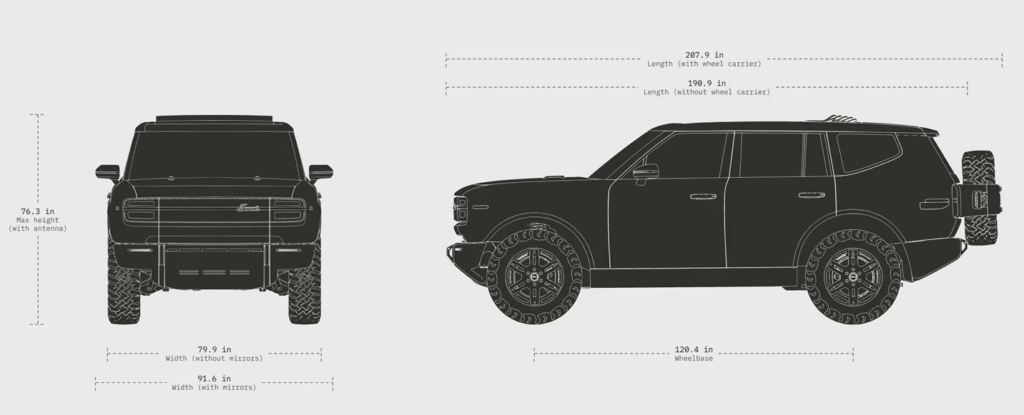
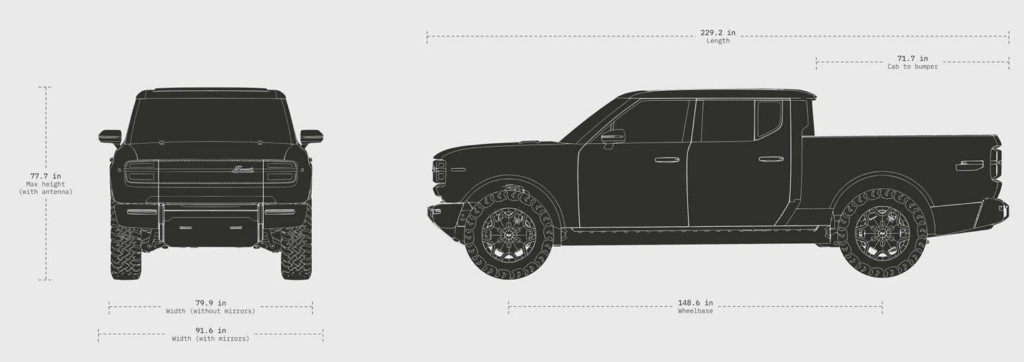
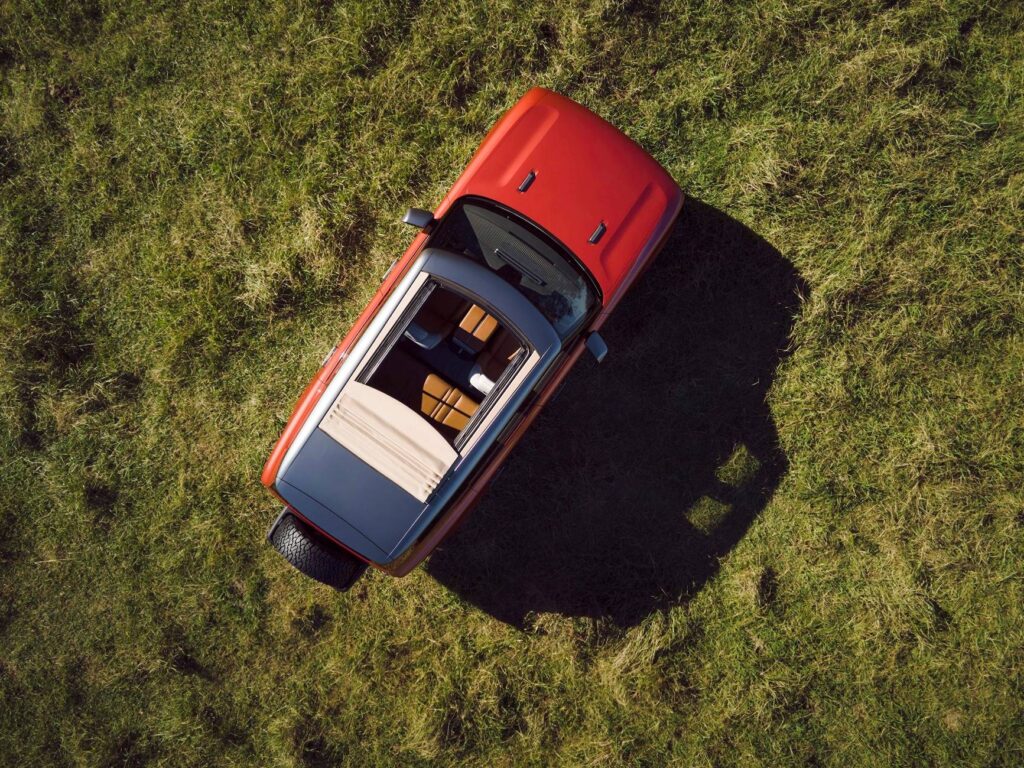
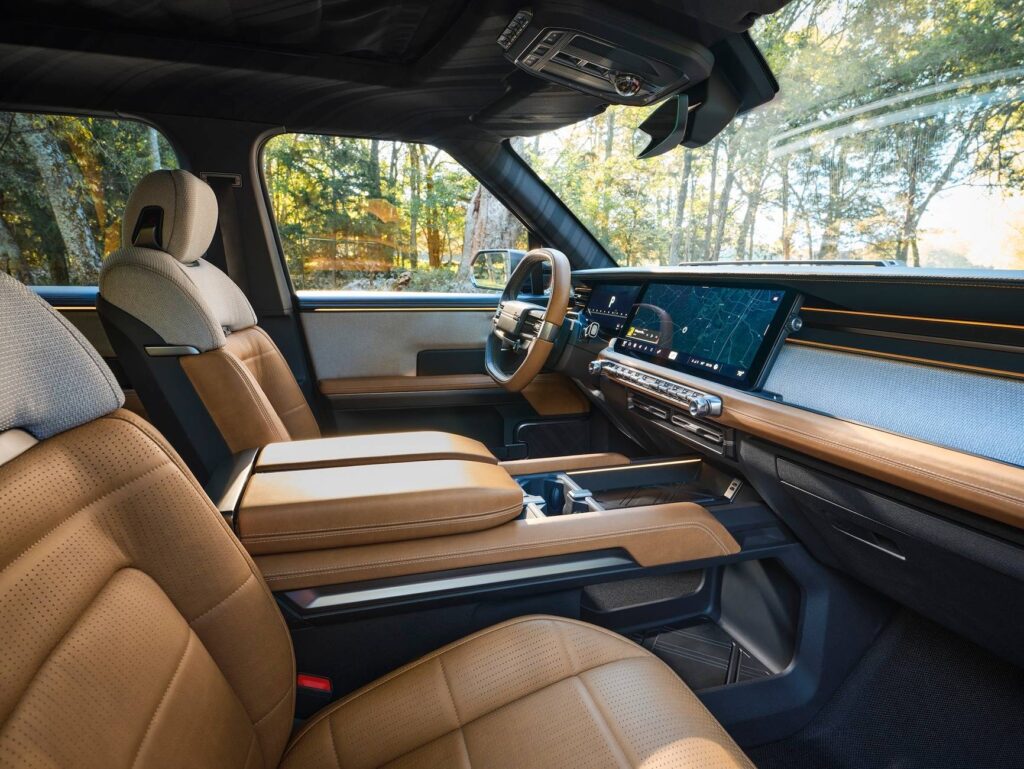
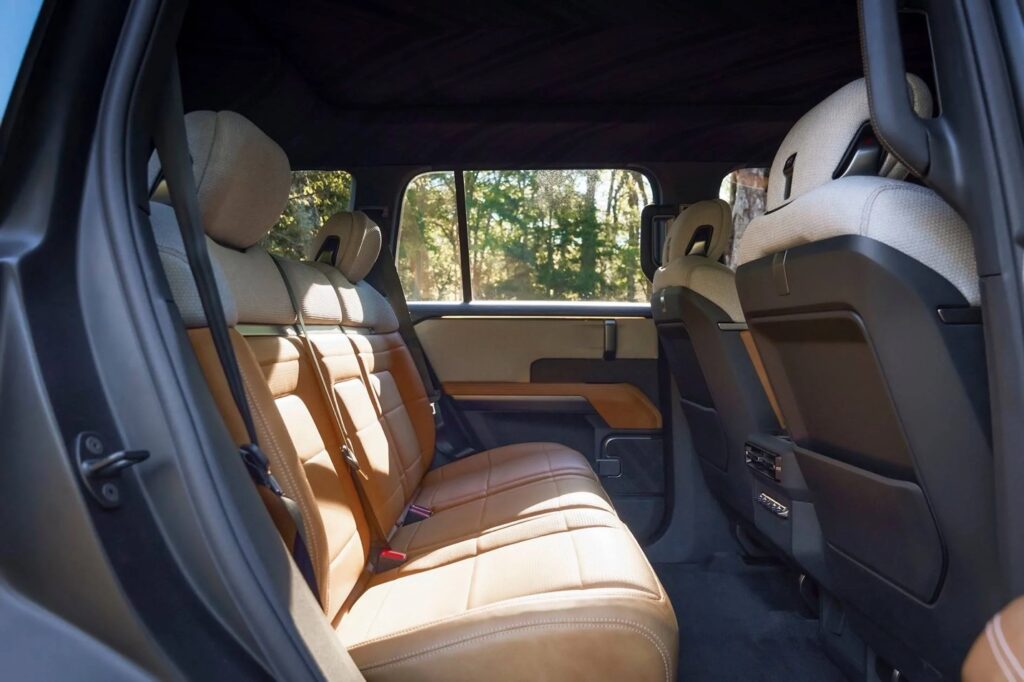
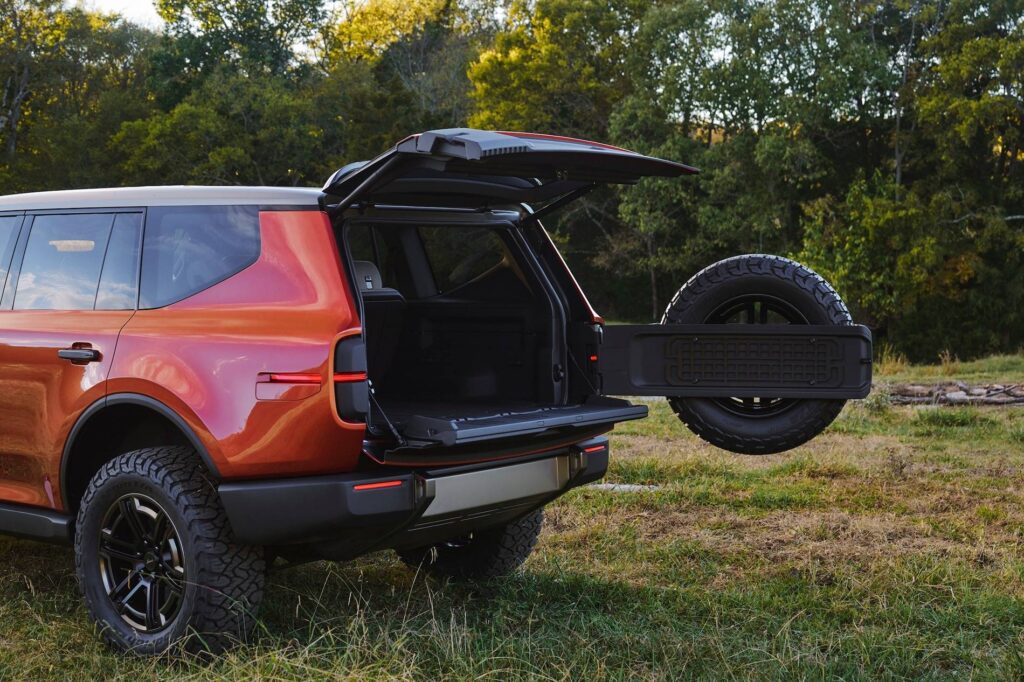
Built exactly the way it should be, Scout Traveler and Terra both will be body-on-frame construction and offer many features beneficial to the adventure enthusiast, to include: dual-motor four-wheel drive, a range of between 350 and 500 miles (depending on model and with use of Range Extender technology), roughly 1000 lb/ft of torque, a 7000 lb towing capacity, and 12+ inches of ground clearance. Couple that front and rear locking axles, disconnecting sway bars, and 35 inch tires and add a “Cabana” open roof concept, a 16.2 inch center touchscreen display, and available 240 volt outlets throughout, and you have the makings of a classic reborn.
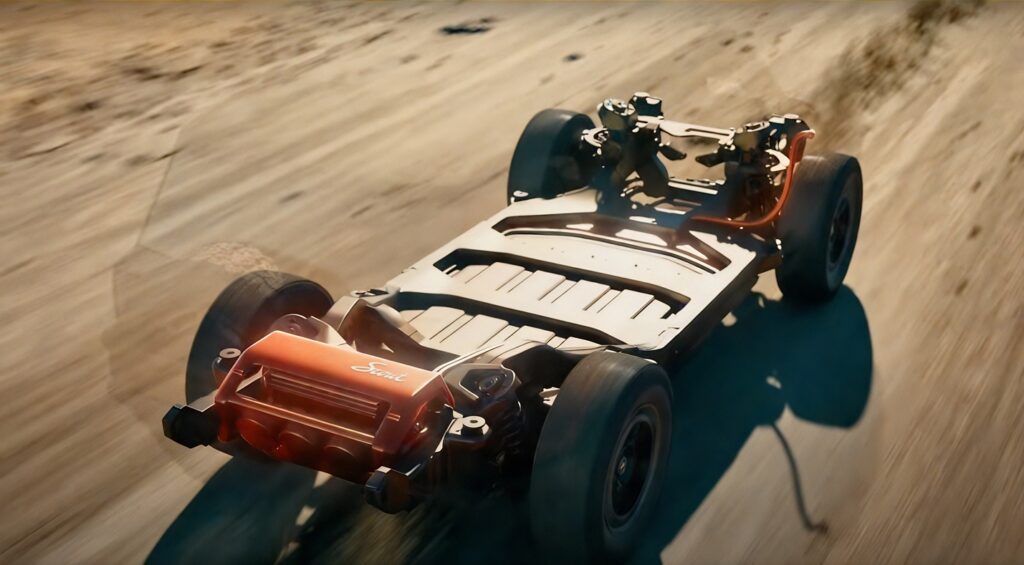
Photo Source: Scout Motors Stories
Electric vehicles will mostly always outperform gas or diesel vehicles when it comes to outright performance, and that’s simply because electricity has almost no hesitation; when the pedal hits the metal, fun things happen. Of course, you’re missing one of the best parts of having a gas engine: that tell-tale sound of horsepower and anger emanating from the tailpipe. While most would never consider that a viable tradeoff, there are plenty of smiles to be had when the back of your head gets pasted to the front of the headrest from the hardcore acceleration.
The true is, with 1000 lb/ft of torque on tap and a zero-to-sixty timeframe of 3.5 seconds (that’s crotch rocket territory for those of you paying attention), the fact that you cannot physically hear the roar of a V8 might actually become less of a factor for many. Considering the fact that it’s essentially a brick with some slightly rounded off corners that’s doing these moves, and almost all distaste for the electrified platform quickly fades away.
Now take that same type of performance and put it into a vehicle that can just drive off of the highway and onto the trail without missing a beat and you have Scout. Expected to hit customer’s driveways sometime in 2027, the biggest decision for anyone is going to be choosing the SUV or Truck configuration. Without a doubt, Scout Traveler and Scout Terra will be possibly the greatest thing to happen to the electric vehicle market, to date.
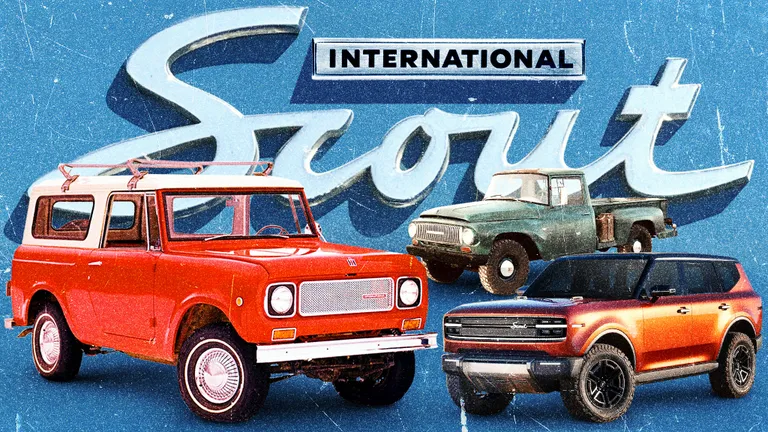
Photo Source: Motor Trend (Google)
*All photos sourced from Google


Leave a Reply